Feeds:
Posts
Comments

Try this wonderfully light, tasty, colorful and nutritious cake. The orange juice adds a refreshing touch, and enhances the flavor of carrots.  Frost it for a special touch—you can even make the frosting dairy free!

carrot cake

Ingredients

  • 2 cups “Grandma’s Gluten Free Flour Mix” 
    Click Here to see the recipe.
  • 1 1/2 cups shredded carrots
  • 3/4 cup plus 2 Tablespoons orange juice
  • 1/2 cup canola / vegetable oil
  • 1/2 cup raisins
  • 1/2 cup granulated sugar
  • 1/2 cup brown sugar
  • 3 teaspoons Egg Replacer, prepared as per package directions.  (When this is not available, whisk together 3 Tablespoons water, 3 Tablespoons oil and 2 teaspoons baking powder)
  • 1 teaspoon baking powder (omit if using Egg Replacer substitute as above)
  • 1/2 teaspoon baking soda
  • 1 teaspoon vanilla extract
  • 1 teaspoon cinnamon powder
  • 1 teaspoon ground nutmeg.

Method

  1. Preheat oven to 350 degrees F
  2. Lightly grease a 9” round cake pan
  3. In a bowl, combine flour, baking powder, baking soda, cinnamon powder, ground nutmeg.
  4. In a separate bowl, mix oil and sugars.
  5. Whisk in orange juice, prepared Egg Replacer (or substitute), and vanilla.
  6. Gently fold in flour, and mix well.
  7. Stir in carrots and raisins.
  8. Spoon batter evenly into prepared pan.
  9. Bake 45 – 50 minutes or until inserted toothpick comes out clean.

Frosting

  • 2 ounces softened cream cheese
  • 2 Tablespoons softened butter
  • 3/4 cup confectioner’s sugar
  • 1 teaspoon vanilla extract.
  • Beat cream cheese, softened butter, and vanilla with a whisk, and gradually add sugar.
  • Spread over cooled cake.

Dairy Free version

  • 4 ounces pureed soft silken tofu
  • 3/4 cup confectioner’s sugar
  • 1 teaspoon vanilla extract.
  • Blend together and spread evenly on cake.

Dairy free, soy free topping

Make an orange glaze using 1/2 cup confectioner’s sugar with 2 –3 Tablespoons orange juice.  Spread evenly over cake.

The whole family will enjoy this hearty soup. It is wholesome and satisfying and adds good nutritional balance to a gluten free pasta or rice meal.

Ingredients

  • 4 cups cauliflower florets
  • 2 cups diced, peeled potatoes
  • 1/2 cup sliced onion
  • 2 cups chicken broth / vegetable broth/ water
  • 1 cup water
  • 1/2 cup evaporated milk/ soy milk (optional)
  • 4 Tablespoons grated sharp cheddar cheese
  • 1 Tablespoon olive oil
  • 2 cloves
  • 1 bay leaf
  • Salt to
  • 1/4 teaspoon coarsely ground black pepper (optional)
  • a few sprigs of parsley for garnish

Method

  1. Heat olive oil in a large saucepan and add the cloves and bay leaf
  2. Add sliced onions and sauté for a minute or so, till onions become soft and translucent.
  3. Add cauliflower florets and potatoes.  Sauté to combine all ingredients.
  4. Pour in broth and water.
  5. Bring to a boil, and allow soup to remain on rolling boil for 3-4 minutes.
  6. Turn off heat and remove clove and bay leaf
  7. Gently spoon out 1/2 cup cauliflower florets and keep aside for garnish
  8. Turn on heat, cover pan, and allow vegetables to cook for about 3-4 minutes more, or till tender.
  9. Add evaporated milk / soy milk and allow soup to boil for a minute
  10. Remove pan from heat, and set aside to cool.
  11. Puree cooled soup in a blender.
  12. Add 1/2 cup more milk or water for a thinner consistency.
  13. Heat to reach boiling point, if more liquid has been added.
  14. Remove from heat.

Pour into individual bowls and serve hot, garnished with cauliflower florets, grated cheese and small sprigs of parsley.

Enjoy!

The first batch of these amazing cookies is ready in just about 10 minutes, prep time included!  With a liberal portion of chocolate chips and crunchy, caramelized sunflower seeds, they totally surpass the brownie style cookies available on store shelves.  My gluten free flour works wonderfully well. Share these cookies with friends who can eat wheat, and watch them get polished off the plate—so good to serve for kids’ play dates.

super easy cookies

Ingredients

  • 1 1/2 cups “Grandma’s Gluten-Free Flour”  (click on ‘Basics” for the recipe)
  • 1 cup milk / soy milk / water
  • 3/4 cup brown sugar
  • 1/3 cup cocoa powder
  • 1/2 cup oil
  • 1 level teaspoon baking soda
  • 1 teaspoon vanilla
  • 1/2 cup semi sweet chocolate chips
  • 1/2 cup caramelized sunflower seeds, coarsely crushed. (place in plastic bag / Ziploc bag.  Move rolling pin across a few times, pressing lightly.)

Method

  1. Sift gluten free flour, cocoa and baking soda.
  2. Fold in sugar, and mix well.
  3. Make a well in the dry mixture, and pour in the oil.
  4. Add milk and vanilla, and stir in well with a wooden spoon.
  5. Continue to mix ingredients together, till mixture is smooth and there are no lumps.
  6. Stir in chocolate chips and caramelized sunflower seeds.
  7. Lightly grease a microwave safe dish or tray, or better still, line with parchment paper.
  8. Drop cookie batter by heaped teaspoons, leaving an inch of space on all sides of each unbaked cookie.
  9. Place in microwave oven, and cook for about 1 minute and 45 seconds.  Time varies 10-15 seconds with different microwave ovens.
  10. The cookies will be soft. For a more crusty texture, allow 15 seconds more in the microwave.

Repeat cooking process till batter has been used up.

Let cookies cool completely before storing them in an airtight container.

Actually the first couple of batches will disappear before the last one is done!

To caramelize sunflower seeds

  1. In a saucepan, put together 1/2 cup sunflower seeds and 2 Tablespoons light brown sugar.
  2. Stir on medium heat, till sugar browns, turns a little sticky and coats the seeds.
  3. Turn off heat and allow the seeds to cool.

You can make a larger quantity and store in a bottle / airtight container.

Storing in the fridge ensures a longer shelf life of about 6 months at least.

Meat and poultry are excellent sources of protein, fat soluble vitamins such as A,D. E and K. calcium, iron, Vitamin B12 which comes only from animal sources, and many other nutrients.  The iron in the meat can be used more efficiently by the body than the iron in plants and supplements.  Meat and poultry, however, do not contain fibre and phytochemicals, the protective factors in food.

Lamb is considered the most hypoallergenic of all meats.  Allergies to beef, pork chicken and turkey are rare.  Fish, with all its wonderful health benefits is an established allergenic food.  I have, therefore, stayed away from fish and shellfish recipes.

There is a close connection between allergy and protein.  The immune system looks at protein chemistry when it decides whether certain foods are acceptable to the body or not. It is the protein in peanuts, soybeans and other foods which provokes allergic reaction.  We need to note here, that commercially raised animals are given growth hormones (synthetic proteins).  Hence it might be safer to use organically produced meat and poultry, from animals raised without hormones and antibiotics.  This could minimize the risk of allergy to artificially made protein and other substances like antibiotics.  Nutritionists tell us that Omega 3 fatty acid is present only in the milk of grass fed animals.  Grain fed animals do not yield any Omega 3 fatty acid.

Red meat is highly nutritious, but it also has a significant amount of fat.  Forty to fifty per cent of fatty acids in meat are saturated.  It is better to eat red meat in moderation, and to use mostly lean meat.  Fat in poultry is external to muscle and can be trimmed.  The skin which is rich in fat can be removed.  Poultry fat has a healthier composition than the fat in most other meats.  In the case of pork too, most of the fat can be cut off from the edges—a piece of lean pork is about the same as a piece of chicken in terms of calories.

The USDA has give some very useful guidelines for cooking and handling meat.  Harmful bacteria like E.coli and salmonella are often present in raw meat.  Raw meat and poultry must not come into contact with other foods like salads and vegetables on cutting boards and kitchen surfaces.  It is best to use separate boards and knives for meat and poultry and wash them thoroughly after use.

Cooking destroys the bacteria in meat and poultry once we follow safe cooking practices.  The USDA suggests using a cooking thermometer to ensure that–

1.  Steaks and roasts are cooked to at least 145 degrees F.

2.  All cuts of pork are cooked to 160 degrees F.

3.  All poultry is cooked to 165 degrees F.

4.  All ground beef, veal or lamb is cooked to 160 degrees F.

Ground meat, especially, needs to be well cooked because of its porous nature.  Living bacteria can make their way into the center of a patty, but not that of a steak.  The USDA considers steak to be an intact meat, where bacteria are on the surface and are easily killed by heat.

Leftovers must be immediately refrigerated.  When removed from the fridge for consumption, leftovers must be heated through and through before serving.

Commonly used ingredients/ herbs and spices, with meat and poultry

Garlic, onion, ginger, and spices like turmeric, pepper, cinnamon, thyme, basil can kill bacteria. 

Scientists claim that over 75% bacteria in food are killed by spices.  When a Kansas State University microbiologist cooked a pound of hamburger with 1/4 teaspoon garlic powder, he found that it had 90% fewer pathogens than meat cooked without spices.

Garlic is the most protective of all root vegetables and is particularly known for its healing properties.  It is a powerful immune system booster, and is an anti oxidant , which has the rare mineral, selenium.

Onions are great antioxidants, and have anti allergy, anti viral and anti histamine properties.  The sulphur compounds in onions help to detoxify the body, clear congestion and reduce excess mucus.

Ginger has great digestive, anti inflammatory and antioxidant properties.  It helps to clear coughs and colds and is a mild natural alternative to antihistamines.

Spices such as turmeric, cinnamon, pepper, thyme, basil and others have great antioxidant, anti bacterial and anti inflammatory properties.  They are rich in vitamins and minerals. They help to cleanse the blood, build tissues, prevent disease, and aid in digestion.  They contain valuable micro nutrients which are easily assimilated in the body.

Kids with food allergies and sensitivities could react to artificial preservatives and flavor enhancers. What can be better than using herbs and spices, nature’s fantastically flavorful preservatives, which are beneficial in so many ways? 

When cooking with meat and poultry, remember to Spice It Up! .

Note I will add much more on herbs and spices in the GOOD TO KNOW section of this blog—soon!   


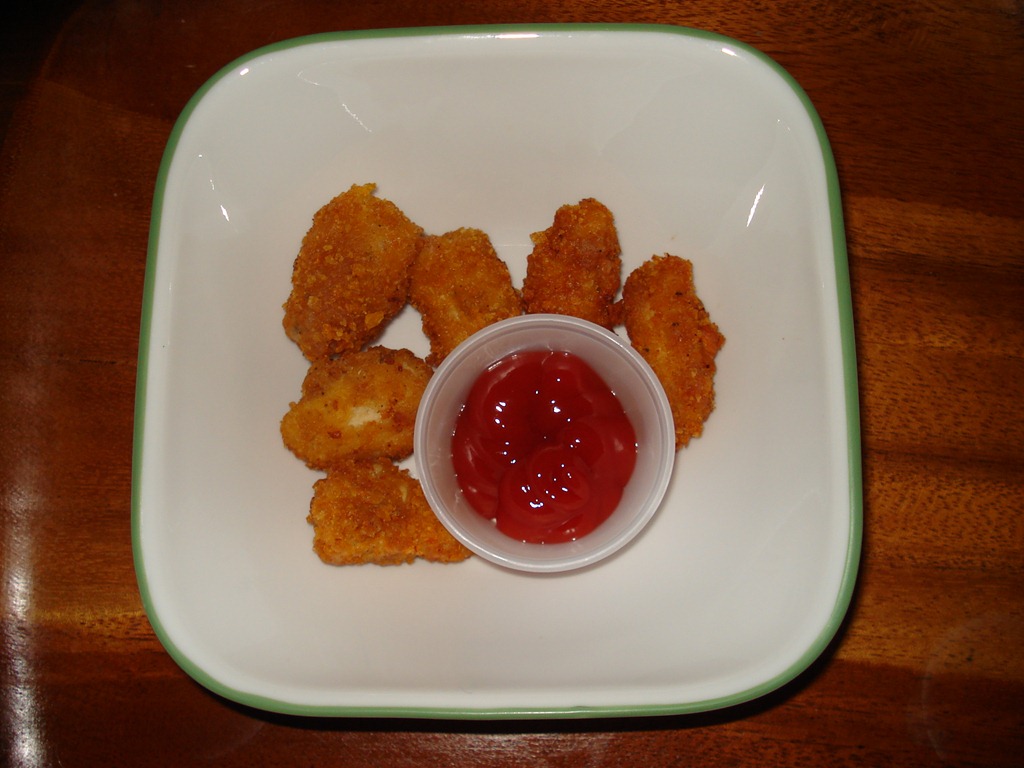
Nothing from the stores can match these homemade chicken nuggets.  You can be sure of the quality of poultry, and when you use boneless chunks of your choice, you know that they are not a mix of various chicken parts with skin and preservatives and what have you.  In fact, the list of ingredients is short and consists of nothing but real, safe-to-use foods.


chicken nugget

Ingredients

  • 1 pound boneless chicken, cubed into 1” pieces
  • 1 teaspoon fresh minced garlic
  • 1/4 teaspoon ground black pepper, or to taste
  • 1/4 teaspoon ground coriander seed.
  • 2 heaped Tablespoons sour cream (use 1 Tablespoon lemon juice, if dairy cannot be used)
  • 1/3 teaspoon salt, or to taste.

For the batter

  • 1/4 cup rice flour
  • 1/4 cup corn-starch
  • 3/4 cup water (approximate quantity)
  • 1 cup crushed cornflakes (quantity may vary depending on how coarse or finely crushed the cornflakes are)
  • Salt and pepper to taste

Method

  1. Mix garlic, salt, ground black pepper and ground coriander seed into the sour cream / lemon juice to create a marinade paste.
  2. Apply marinade to chicken.
  3. Keep in refrigerator for at least two hours.
  4. If you wish to freeze some marinated chicken, follow method given at the end of the recipe.
  5. Adjust quantity of batter according to the amount of chicken you wish to use immediately for frying.
  6. Prepare batter by combining rice flour, corn-starch, salt and pepper and adding  enough water to create a thin, pancake batter-like consistency.
  7. Pour batter over marinated chicken pieces.
  8. On medium heat, place fryer / small wok with sufficient oil for frying
  9. Meanwhile, place crushed cornflakes on a platter in small quantities.
  10. Roll each piece of marinated chicken in the cornflakes, so that it is coated all over.
  11. Repeat process with each piece, adding more crushed cornflakes when required.
  12. Test  readiness of the oil by dropping 1/4 teaspoon of batter into the oil.
  13. If the batter sizzles and comes to the top the oil is ready.
  14. Remove fried batter, and gently drop chicken pieces one by one—as many as will get into the fryer without touching one another.
  15. Turn each piece over when edges begin to get golden, and fry for 2-3 minutes more till each nugget is of a rich golden brown color.
  16. Repeat process till all nuggets have been fried.

Serve warm with tomato ketchup or any dipping sauce of your choice, and watch the nuggets disappear!

To Freeze:

If you do not want to use the entire quantity,  you can freeze as much marinated chicken as you wish.  I put one or two pieces in ice cube trays and place trays in freezer.

When completely frozen, remove chicken pieces, place in Ziploc freezer bags, and return to freezer.

This way you can take out just as much as you need when hungry kids return from school.  Microwave 4-6 pieces for 15-20 seconds for an instant thaw.  (Time differs for different microwave ovens.),.

Prepare fresh batter, roll in required quantity of crushed cornflakes and fry.

Tastes fresh and delicious even out of the freezer!

Did You Know?

  • That garlic prevents bacteria formation, and is especially good to use with meat and poultry?
  • That herbs and spices are nature’s best preservatives?

Vegetables and fruits should be washed thoroughly BEFORE cutting.  Some vitamins, such as the B group vitamins and Vitamin C are water soluble and will get washed away along with some other nutrients.  Nutrition loss occurs also by buying precut veggies, or from storing them for too long in the fridge

Nutrition is enhanced by leaving edible skins on vegetables such as carrots, potatoes, zucchini etc.  Minerals are found in the outer leaves, skin, and just below the skin.  Peels are natural barriers that help protect nutritional loss.

Veggies should be cooked in just enough water.  The water has nutrients too and should not be thrown away.  If you must “drain” cooking liquid, freeze it and store it for later use.  Alternately, add it to soups, sauces and gravies.

Vegetables should not be overcooked.  High heat over longer cooking time destroys vitamins and nutrients.

A good way of cooking veggies is to steam them.  Steam kills the enzymes on the exposed surface of food, but the moisture seals and preserves many of the enzymes deep inside where intense surface temperature does not reach.  This also enhances taste.  A wok with a high domed lid is good for retaining steam in the cooking process.

Microwave ovens help to keep vitamin loss to a minimum.

Salt should be added at the end—not only will you add less this way, but vitamins are better preserved

Cooking the right way makes food more digestible.  Cooking makes certain nutrients, particularly carbs and proteins more accessible to the enzymes that break them down into smaller molecules, which can be transported from the digestive tract to the blood stream.  It is important to cook veggies, especially those that have stiff cellulose walls which are difficult for enzymes to penetrate,  Heat and water cause these cells to burst open.

The Chinese ‘stir fry’ method preserves nutrients very well.  The cooking temperature is high, but cooking time is brief.  This prevents evaporation and loss of vital juices and seals the enzymes inside the vegetable.

Call it broth or stock, the difference is minimal.  What is important is that you create a flavor enhancer to add to soups, stews, casserole dishes, and any other recipes that you want to add further taste to, in place of just water.

Since the vegetables used are cooked over a longer period, some nutrients are lost, but the basic broth does have some nutritional benefits in the form of micronutrients.

Its great for the vegetarian palate as a substitute for chicken or meat broth in a recipe, and thickened with a little corn-starch/tapioca starch can also be used in place of dairy.

Ingredients

  • 2 Tablespoons olive oil
  • 4 medium carrots, peeled and chopped
  • 3 cloves of garlic (use double the quantity if garlic cloves are very small)
  • 2 leeks, thoroughly washed, white and light green parts only, chopped (use 2 medium onions, chopped, if leeks are not easy to obtain)
  • 2 stalks of celery, chopped
  • 1 small bunch of parsley stems (use cilantro stems if parsley is not available)
  • 6 peppercorns
  • 2 bay leaves
  • 1/2 teaspoon dried thyme (optional)
  • 10 cups water.
  • 1/4 teaspoon salt.

Method

In a large saucepan, heat olive oil over medium heat.

  1. Add garlic cloves.
  2. When garlic is slightly browned, add bay leaf and peppercorns
  3. Add leeks / onions.
  4. If using leeks, stir fry to coat with oil, then add carrots, sauté for less than a minute.
  5. When using onions, sauté for a minute or so, or till onions are soft and somewhat golden, then add carrots and sauté a little
  6. Add celery and parsley.
  7. Add cold water and bring to a boil.
  8. Add dried thyme, lower heat and allow broth to simmer for at least half an hour.
  9. Let water reduce to about 7-8 cups. (simmer a little more if required).
  10. When cool, strain and use.

Pour extra broth into ice cube trays and freeze as directed in introductory write up in “Soups” section.

Make into a soup, by adding finely cut vegetables of your choice, along with rice or any other gluten free pasta and boiling till veggies and pasta are cooked.

Thicken with corn starch or tapioca starch as desired.

Add salt and pepper if required.

Variation:  Add a 1/4 cup quinoa to 2 cups broth.

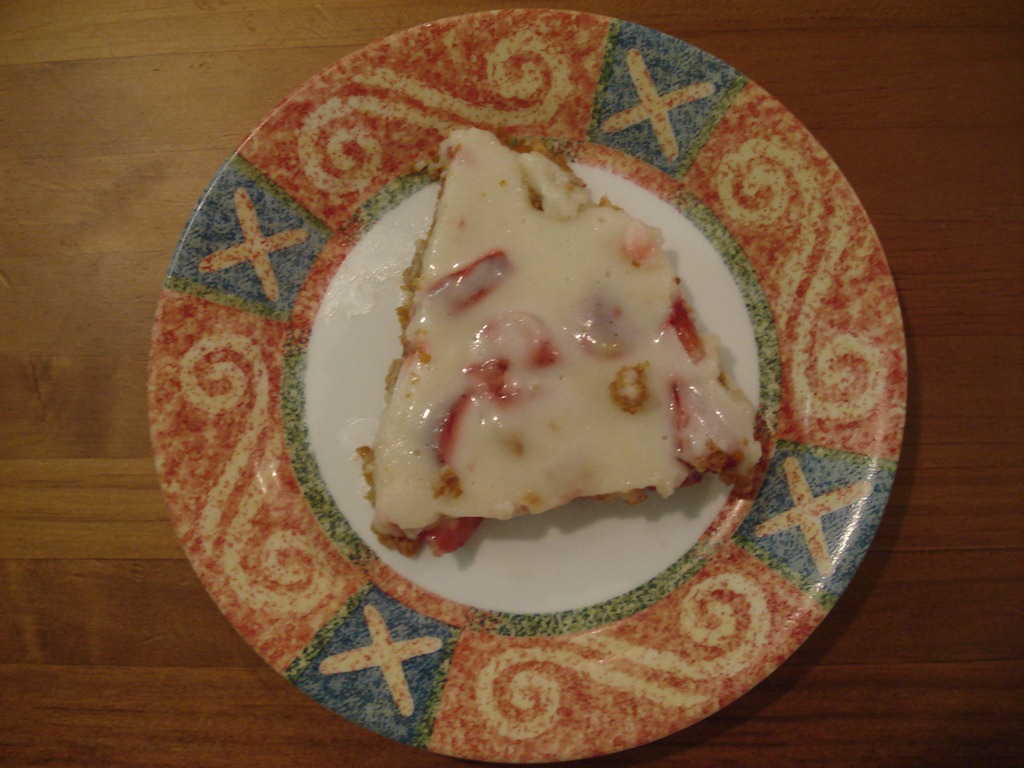
Everyone will love this easy-to-make dessert. The recipe is just right for two hungry kids who will take an extra helping. Double it to serve the rest of the family or refrigerate for use the following day

marshmallow delight

Ingredients

  • 1/2 bag (5 ounces) marshmallows
  • 3/4 cup milk
  • 1/2 cup cream
  • 1 – 1 1/2 cups cut fruit—any berries of your choices (fresh or frozen and thawed to room temperature), or peeled orange segments, diced, canned pineapple, fresh peaches, cut into bite size bits—just use your favorite fruit.
  • 3/4 cup crushed cornflakes
  • 3 Tablespoons melted butter

Method

  1. Preheat oven to 350 degrees F
  2. Melt butter and stir in the crushed cornflakes
  3. Press butter and cornflake mixture onto the base of a 9” round oven proof pie dish.
  4. Bake for 10 minutes.
  5. Set aside to cool.
  6. While crust is in the oven, combine marshmallows and milk in a saucepan.
  7. Heat till marshmallows are melted and mixture is smooth.
  8. Let is cool
  9. Whip cream till stiff peaks form.
  10. Fold in cream and cut fruit into mixture.
  11. Spoon mixture over cornflake crust, and refrigerate to chill and set.
  12. Serve when set.

Dairy Free Variation

Dairy Free Marsmallow Delight

Ingredients

  • 1/2 bag marshmallow (5 ounces)
  • 1 1/4 cup coconut milk
  • 1 – 1 1/2 cup cut fruit
  • 3/4 cup crushed cornflakes
  • 3 Tablespoons canola oil (or any oil which does not have an intrusive flavor)

Method

  1. Preheat oven to 350 degrees F
  2. Stir oil into crushed cornflakes and press mixture onto base of oven proof 9”” pie dish.
  3. Bake 10 minutes.
  4. Meanwhile, combine marshmallow and coconut milk in saucepan, and place over medium heat.
  5. Stir till marshmallow are melted and mixture is smooth.
  6. Cool and fold in cut / peeled fruit, saving some for garnish
  7. Spoon mixture over cooled cornflake crust and chill to set.

Delicious!

“Can’t Believe Its Allergy Free!”  is the result of years of research and experimentation to create tasty, healthy, allergy free food, in which every single recipe excludes at least seven of the eight known allergenic foods The day my little grandson said to me that he could never have a birthday party (no cake, no pizzas, no party) I vowed to produce all of that and much more for him. I soon realized that there are many others similarly afflicted. With over 12 million allergy diagnosed people in the US alone, my blog fulfills a crucial need..

My aim is to offer solutions to the busy mom/caregiver of the child with multiple food allergies. The many gluten free cookbooks in the market exclude only gluten, and most allergy related recipes exclude no more than two to three allergenic foods at a time. All my recipes are exclusive of wheat and gluten, soy, eggs, fish and shellfish, peanuts, tree nuts, and in most cases, dairy. Wherever I have used dairy, I suggest alternatives. The focus is on what children can eat, and on ways of providing variety, nutrition and taste, within limited parameters.

I also use easy to find, safe, hypoallergenic ingredients, and stay away from all controversial foods such as chickpeas, spelt, mushrooms, corn, as well as sesame, which has recently been added to the list of allergenic foods by the Ministry of Health, Govt. of Canada.

I have spent years researching food and allergy facts, in order to provide nutritional balance despite food restrictions. I have compiled invaluable data from the works of eminent nutritionists and doctors, and from publications and websites of established organizations as it is absolutely necessary to arm yourself with allergy information in order to deal with it. It is useful to know, for example, that certain fruits can cause allergy like reactions because they contain histamines, while certain vegetables may contain significant levels of MSG and are best eaten cooked, not raw. It helps to know that a serving of baked spinach and cheese makes more nutritional sense than a bowlful of raw spinach leaves with crumbled cheese. It is essential to know what food labels are all about—what for instance, is carrageenan, maltodextrin, or locust bean gum? How many moms actually have the time to find out, or to experiment? As a grandmother, I am in a unique position to do both. My blog is the result of my own journey towards understanding both food and allergy, which I wish to share with others. Along with recipes, I will put up allergy relevant information which is essential for anyone coping with allergies.

My recipes are kid tested and are family friendly. It makes practical sense to prepare most meals in common with all the family, as common meals serve to erase the sense of exclusion and deprivation which a child with allergies can so easily develop.. Moreover, all recipes are made healthy by limiting salt, sugar and fat and by including plenty of fruits and vegetables, so that those interested in healthy, wholesome eating will appreciate my approach to cooking.

All the work that goes into “Can’t Believe Its Allergy Free!”, is a grandmother’s labor of love.

Tell me your stories as I have told you mine, let us share our ideas and achievements, learn from one another as we carry on with our journey towards understanding and dealing with food allergy

Please read the “Read This First” page on the blog
For Disclaimers

Note:  For quick access, click on the category of your choice and go to the recipe you want so you can avoid scrolling on and on.

My heartfelt thanks to:

Mr. Arvind Kelkar without whose help and encouragement this blog would never have taken shape

My grand daughter, Sujal, for her fantastic artwork on the home page,

My grandson, Ishaan who is my greatest inspiration


When You Begin

  • Make sure that kitchen counters are clean and clear of all allergy producing foods.
  • Create allergen free areas by designating separate shelves in larders, and keeping specific counter spaces.
  • If possible use a separate set of cooking implements such as knives, cutting boards, griddles, pans, woks, containers etc.
  • Place all allergy free foods in containers with lids, and set them aside before handling other food.
  • Label all allergy free food containers, and write dates, especially before freezing.
  • When using any store bought ingredient, read label very carefully ( eg. dried fruits may be treated with sulphur dioxide, sausages / meats could contain nitrates and nitrites, seasonings and starches may contain wheat)
  • Make sure that ‘wheat free is also gluten free’.
  • Remember that it is best to prepare allergy free dishes earlier, so that they can be covered, set aside and protected from cross contamination.  Cook extra portions of allergen free meals, so some portions can be frozen for later use.
  • It is important to use utmost caution before introducing a new food.  Some doctors suggest smearing the child’s cheek with the new preparation and leaving it on the skin for a while to check if it creates any redness, rash, itchiness or any other irritation.  This is a good preliminary test.  In any case, a new food item should be given in a very, very small quantity to begin with.  A few hours observation is necessary before serving a larger portion.